Sub-Zero farm system

Freeze one barn. Then repeat it.

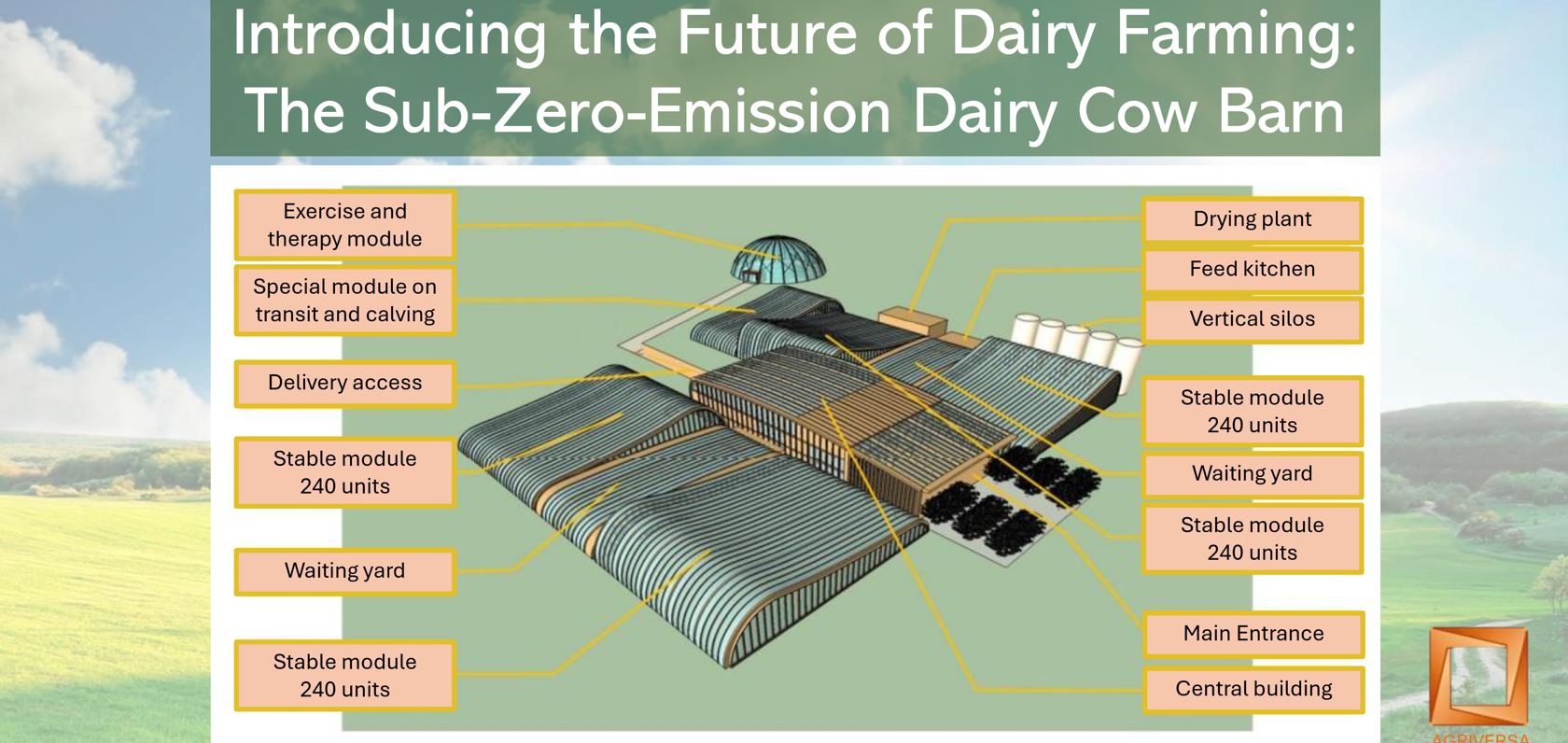
The Berlin-Brandenburg barn is the Egypt building block. Each airtight module holds 240 cows. Climate control holds 1,750–1,850 m conditions. Manure and stall air feed the biogas train.

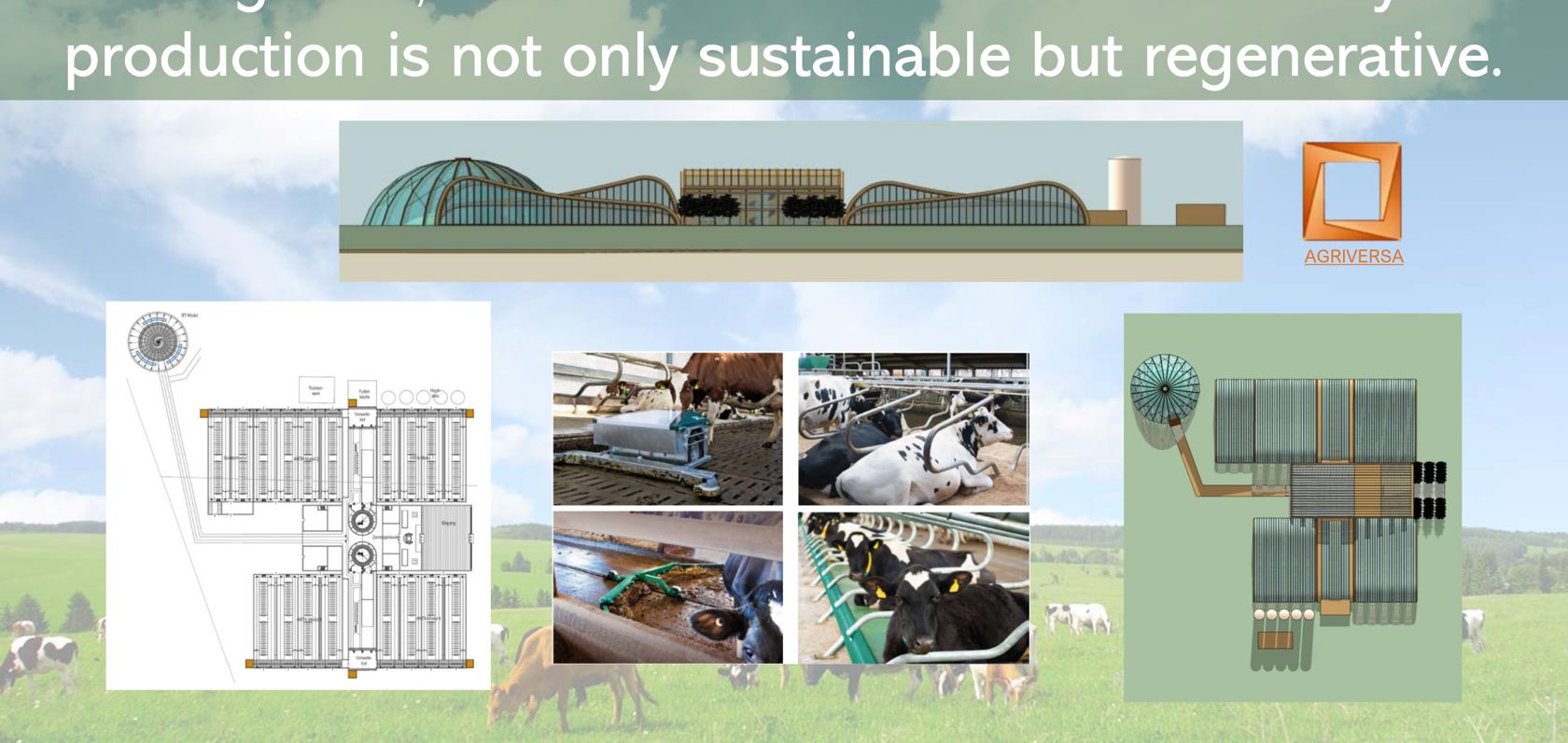
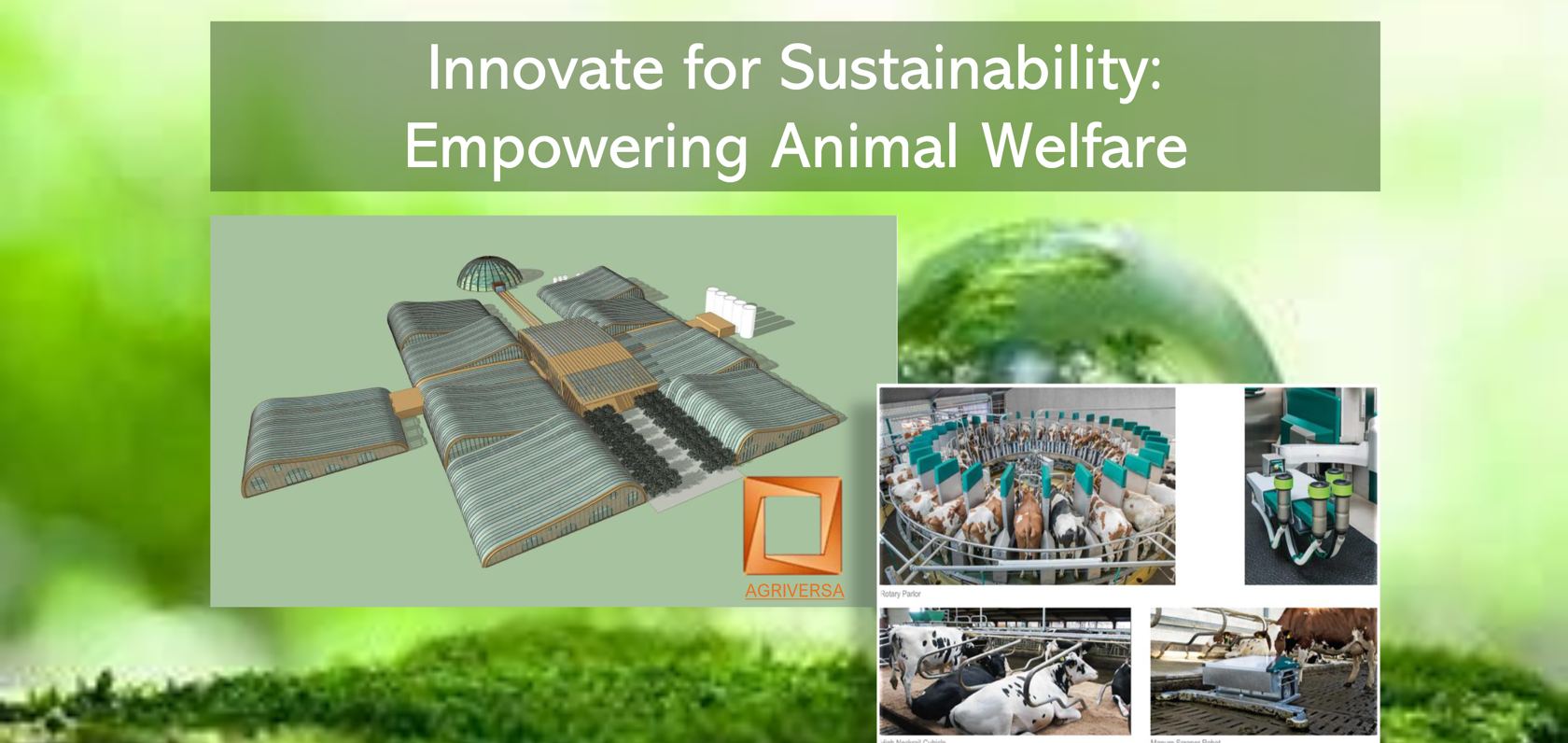
Agriversa module. Four stables of 240 cows, therapy dome, feed kitchen, silos.

Programme products from the P&L, in thousand tonnes, rounded to a whole number. These are volumes, not sales.

Year

2034

202720522076

Milk

2,987 kt

Meat

80,000 kt

Dry milk

220 kt

Vegetables

248 kt

Fertilizer

960 kt

Methane

1,250 kt

Hydrogen

170 kt

Methanol

728 kt

SAF

124 kt

Naphtha

52 kt

DRI steel

733 kt

Plan, section and the working barn. Closed halls, robotic feeding, a circular therapy yard.
Daily movement, not a tie-stall. The 2,000-cow Berlin unit is the reference plant.

What the photographs show

These frames are lifted out of the September 2026 decree pack. They show the Berlin-Brandenburg barn and the Obrist train Egypt is asked to copy. They are not photographs of farms or plants already built in the Western Desert.

The animal the module is drawn around

Reference · Berlin-Brandenburg

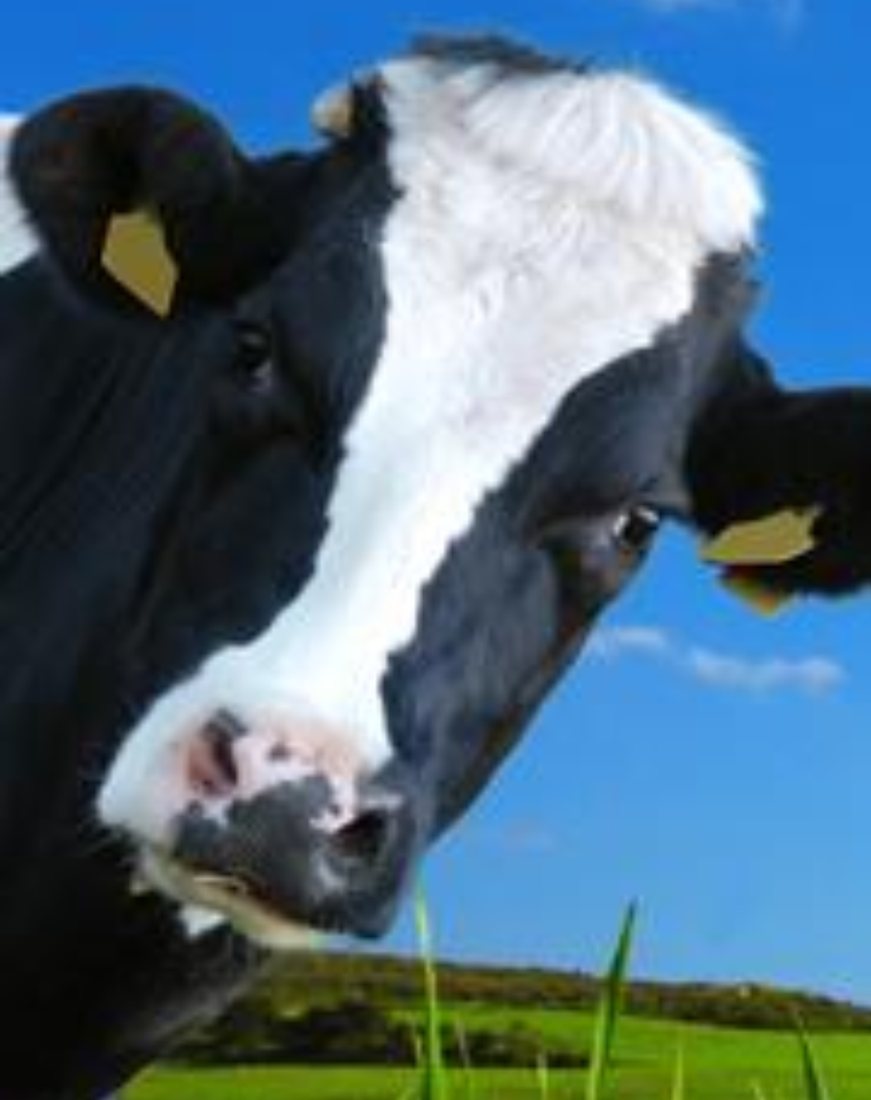
The animal the module is drawn around

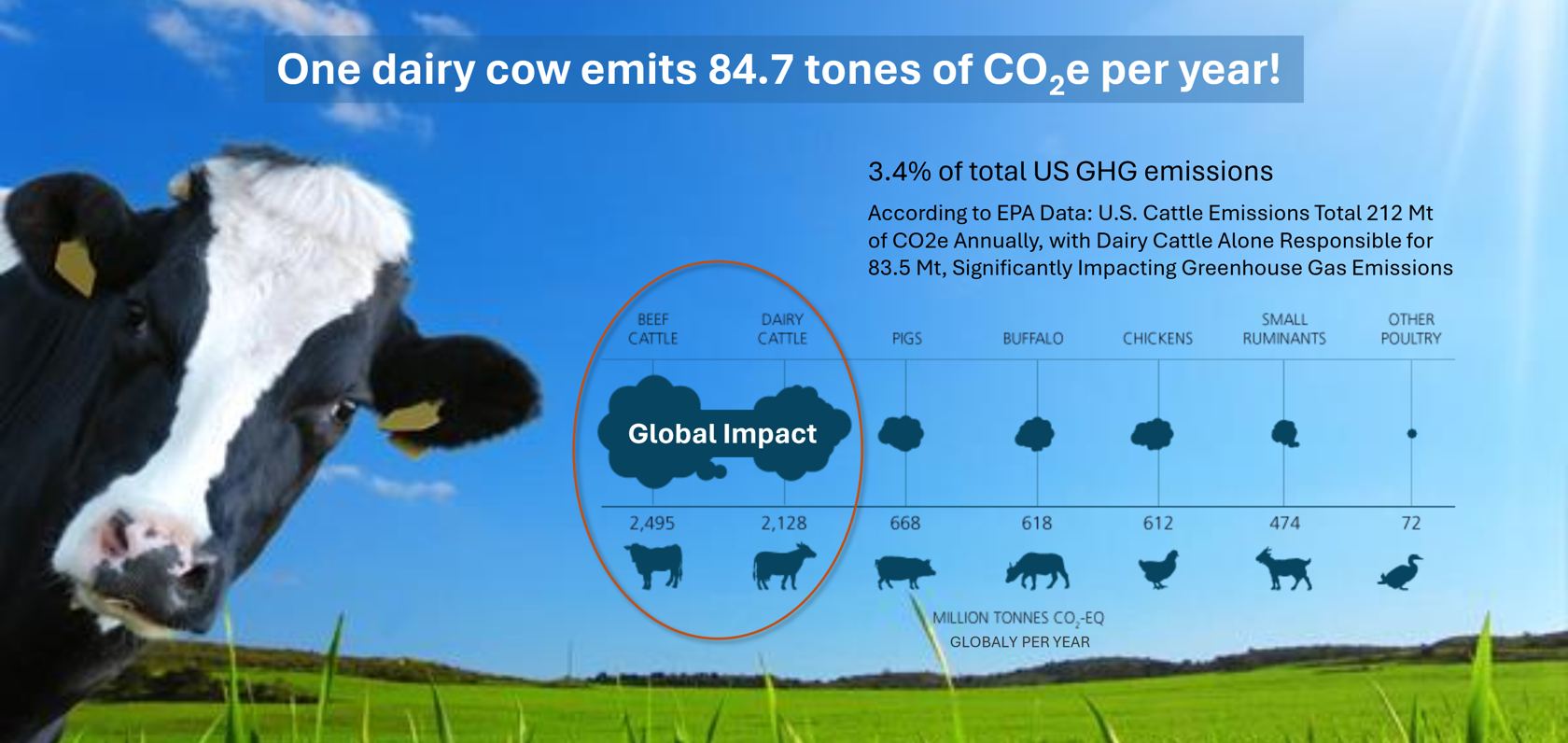
A Holstein, close, in open light. The decree does not start from a rendering. It starts from a dairy animal whose manure is the industrial feedstock. One unmanaged cow is carried in the pack at 84.7 tonnes of CO₂e a year. At 6.4 million cows that figure is either a national emissions event or the raw material for biogas, fertilizer and credits. The photograph is a reference. The herd it stands for has not been built in the Western Desert.
Heads at the rail

Reference · Berlin-Brandenburg

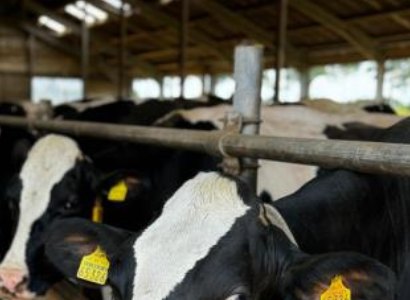
Heads at the rail

Tags in the ear, timber and steel overhead. This is the working face of the airtight 240-cow module the brief wants frozen in FEED and then repeated. Light comes from above. The animal can step back. Manure is meant to be taken at the floor, not left on an open lot. The instruction in the pack is explicit: do not design 1,600 unique farms.

The herd the decree is counting

Reference · Berlin-Brandenburg

The herd the decree is counting

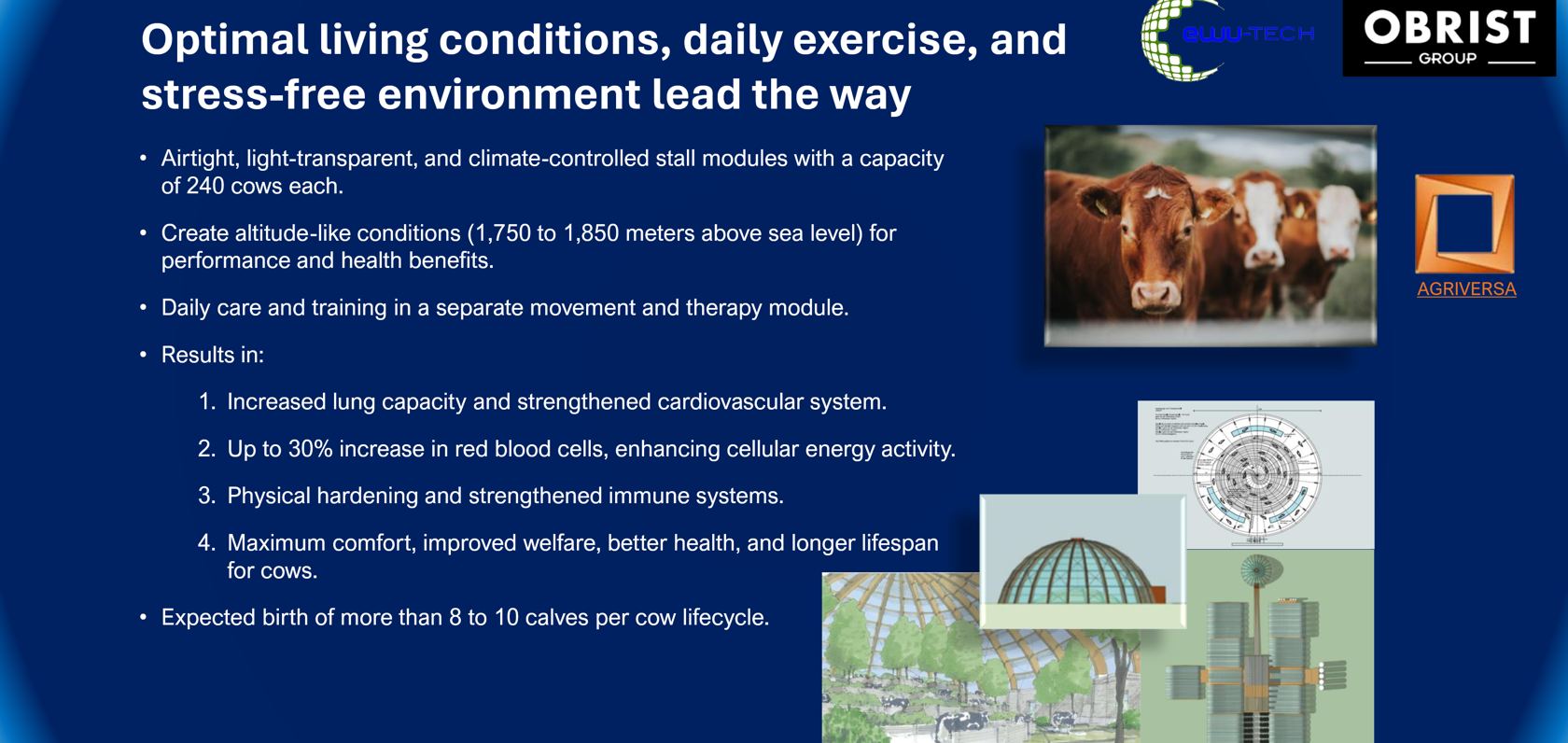
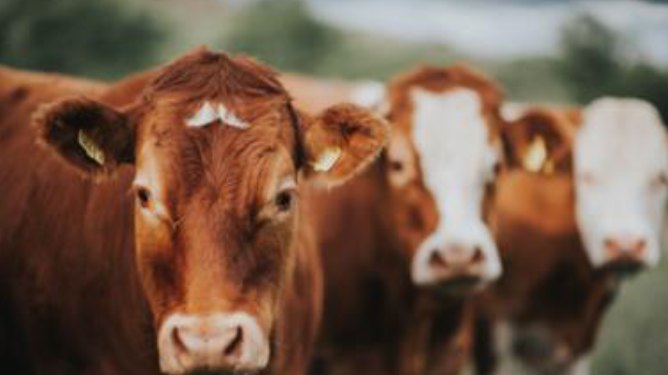
Tagged cattle, filling the frame. The Year-50 case counts 6.4 million animals on 1,600 farms. This picture is from the Berlin-Brandenburg material. It is not a Western Desert herd. The welfare results printed beside it — a longer life, eight to ten calves — are to be measured on the first Egypt cluster before they enter a bankable yield.

A circle, not a tie-stall

Reference · Berlin-Brandenburg

A circle, not a tie-stall

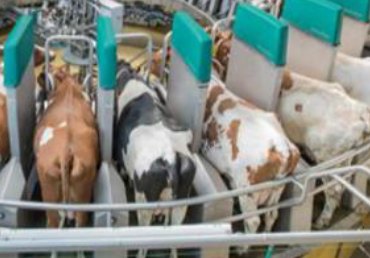
Cows stand between dividers on a rotary parlour. The brief’s contrast is with the tie-stall: daily movement, a separate therapy module, milking as a circuit. The reference plant is the 2,000-cow Berlin unit on 5,000 hectares, where the pack cites about 350 jobs as the employment template for each Egypt cluster. Match that specification before any doubling.

The ration comes to the cow

Reference · Berlin-Brandenburg

The ration comes to the cow

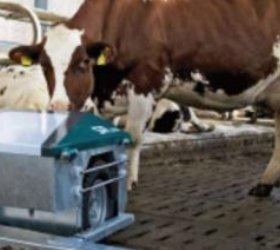
A feeder on wheels pushes a ration across slatted flooring. Robotic feeding is part of the operating system, not a gadget in the corner. Feed, labour and manure stay inside the climate envelope. That envelope is what the pack says can sit on Western Desert land without sending dust, smell or raw manure off the site. The first cluster has to prove it.

Lying time is an input

Reference · Berlin-Brandenburg

Lying time is an input

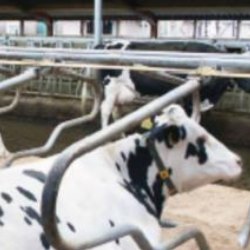
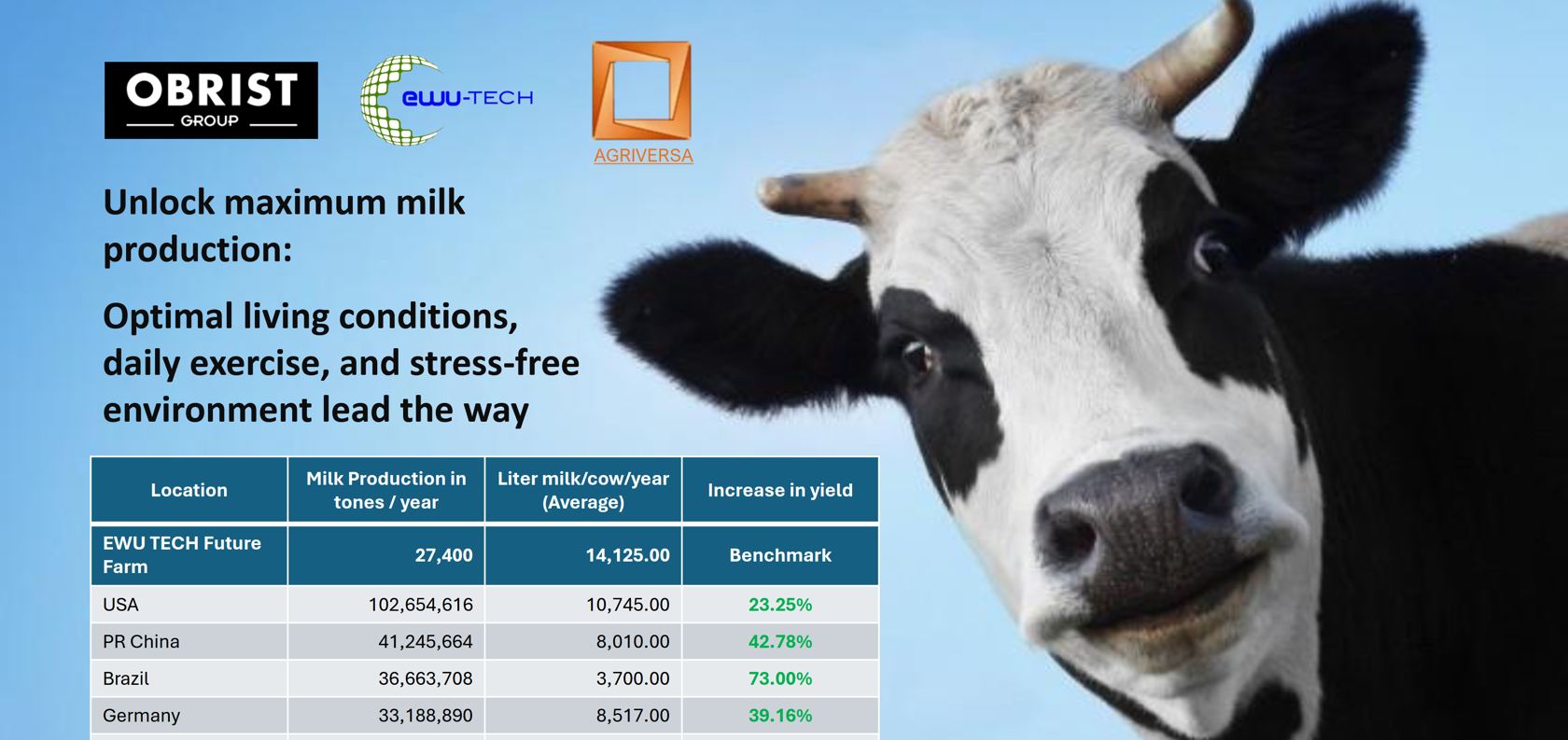
A cow in a cubicle, not on sand. Comfort is the assumption under the yield table. EWU TECH is shown at 14,125 litres a cow. Egypt’s figure in the same table is 10,613 litres, a gap of about 24%. The brief is clear that the lift is not the prize. Methane capture is. The barn is only what makes 14,125 litres a FEED assumption rather than a hope.

Every animal is an inventory line

Reference · Berlin-Brandenburg

Every animal is an inventory line

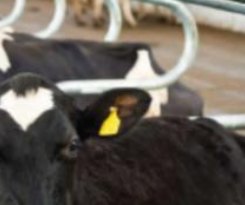
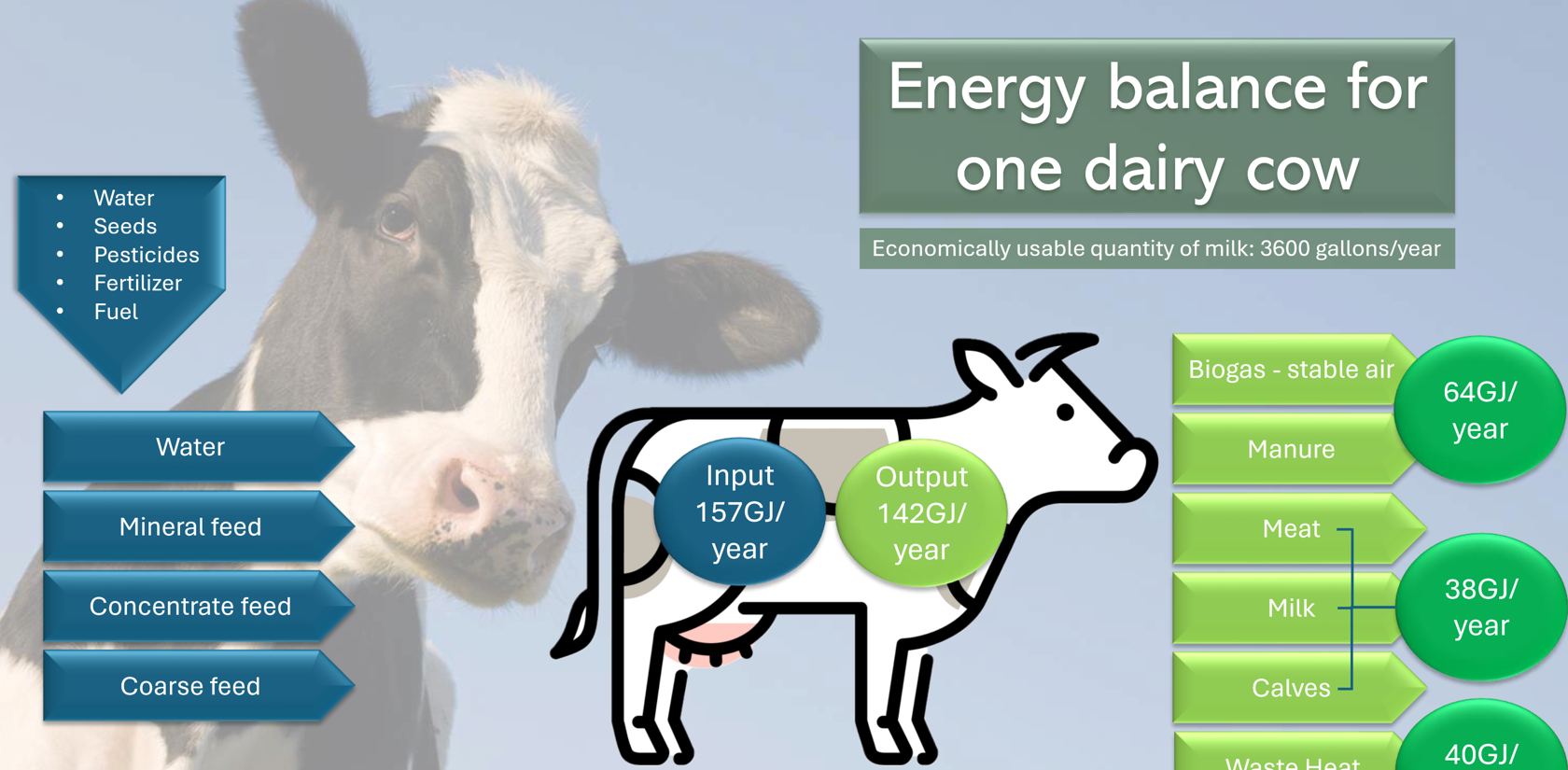
Ear tags and a headlock, close enough to read. At national scale this is an inventory. Each animal is milk, meat and a methane stream. The energy balance in the pack puts 64 GJ a year in biogas and stall air, against 38 GJ in meat, milk and calves. Most of what leaves the cow is not food. That is why fertilizer, hydrogen and methanol dominate Year-50 revenue, and why fresh protein stays the smaller line.

Fodder under a skin

Reference · Berlin-Brandenburg

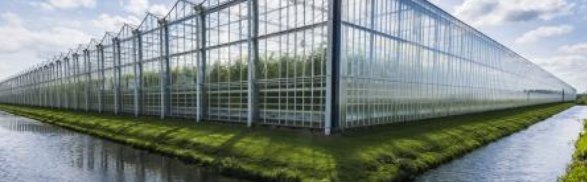
Fodder under a skin

A long glasshouse on a canal, used in the pack as the picture of high-performance fodder. Egypt’s own increment is smaller and gated. The first house is 3 by 50 metres, 150 square metres, single-layer ETFE. The 18,000 square metre hall waits until yield, leaks and operating cost are shown. Fifty halls are an order-of-magnitude $13.5 million, and a later-gate item, not the first cheque. This European house is an analogue.

Already a line in the Berlin accounts

Reference · Berlin-Brandenburg

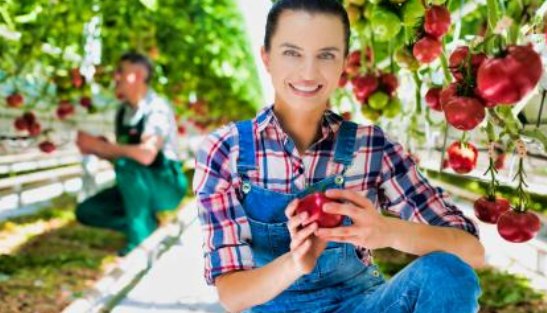
Already a line in the Berlin accounts

Fruit on the vine, picked under cover. On the 2,000-cow reference, tomatoes are already in the accounts: €6.40 million of sales and €3.30 million of EBITDA, to a local market. At Year 50 the national vegetable export line is €4.8 billion. The constraint named in the brief is the cold chain and access to buyers in Europe and the region, not the existence of a greenhouse photograph.

Measured ground, not an Egypt field

Reference · Berlin-Brandenburg

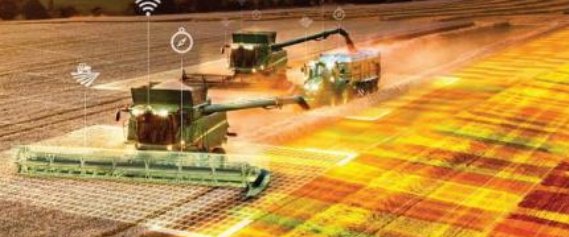
Measured ground, not an Egypt field

Combines on a field drawn with a yield map. The slide calls it smart farming. Read the picture as an analogue of measured fodder and water, not as a landscape in Egypt. Land in the decree sits with the Egyptian sovereign fund: 30,720 thousand feddans at full scale. Nothing in this frame is a site already acquired.

14,125 litres a cow

14,125 L

EWU TECH

Egypt

10,613 L

+24%

84.7 t CO₂e

84.7 t

CO₂e / cow / year

14,125 litres a cow

Egypt already sits near the US yield. The 24% lift is not the prize. Methane capture is. The welfare barn is what makes 14,125 L a credible FEED assumption.

EWU TECH yield against national herds.
EWU TECH27,40014,125Benchmark
USA102.7 m t10,745+23%
China41.2 m t8,010+43%
Germany33.2 m t8,517+39%
Egypt5.4 m t10,613+24%
Saudi Arabia2.9 m t10,133+28%
Altitude physiology: airtight stalls, a separate therapy module, 8 to 10 calves a lifecycle.
Global livestock inventory. Dairy cattle 2,128 Mt CO₂e a year.

Measure these results on the first Egypt cluster before they enter the bankable yield case.

One unmanaged dairy cow, per year. At 6.4 million cows that methane is the industrial feedstock, not a leftover.

157 GJ in. 142 GJ out.

Most of what leaves the cow is biogas and heat. That is why fertilizer, hydrogen and methanol dominate Year-50 revenue.

Energy balance for one dairy cow. Usable milk 3,600 gallons a year.

Two modules launch every cluster

A 3 × 50 m ETFE fodder house, and the 240-cow barn. Do not build the 18,000 m² hall until the pilot meets yield, leak and cost.

Pilot house

150 m²

$1,500–3,000

One module

18,000 m²

$360,000

Ten modules

180,000 m²

$3.15 m

Fifty modules

900,000 m²

$13.5 m